The Merits of Catholic School Education: A Well-Rounded Approach to Learning
A Catholic school education provides an exceptional framework that blends academic discipline with values-based teachings. Such an approach fosters strong moral values and a sense of personal duty while nurturing a sense of community. Pupils thrive with small class sizes and tailored academic support. In addition, outreach programs encourage empathy and community awareness. Nevertheless, the true depth of this comprehensive model lies in understanding how faith intertwines with these academic foundations, shaping students into balanced and mature persons ready to navigate life's many challenges.
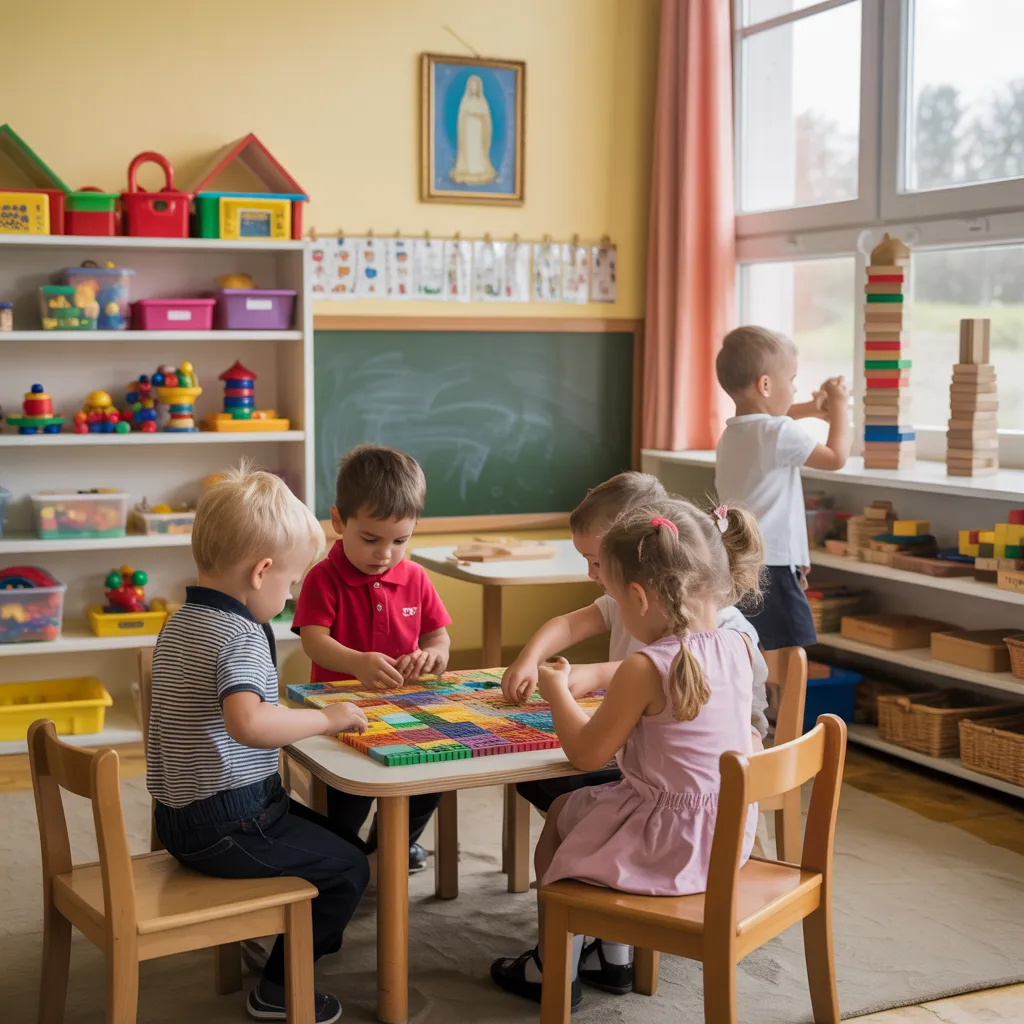
What Makes a Catholic School the Right Choice for Your Child?
Opting for a Catholic school for a child can offer exceptional advantages that go beyond academic excellence. These establishments emphasize a values-based education, incorporating moral teachings with everyday learning. In a Catholic school context, students are guided to develop a strong ethical foundation, fostering a sense of responsibility and respect for others. This well-rounded approach nurtures not only intellectual growth but also emotional and spiritual development.
In addition, Catholic schools commonly advocate for intimate classroom settings, providing tailored support and closer teacher-student connections. This close-knit environment facilitates meaningful interaction and a supportive learning atmosphere. Families frequently value the emphasis on character building and integrity, aligning with their personal beliefs. Moreover, the course of study frequently features volunteer-based programs, motivating pupils to contribute meaningfully to society. Therefore, choosing a Catholic school can provide a thorough educational experience that develops balanced and capable individuals ready to face future obstacles.
How Catholic Education Cultivates Community and Belonging
As students participate in the rigorous academic curriculum of a Catholic school, they also become part of a community that cultivates a profound sense of belonging. This sense of community is established through mutual values, cherished traditions, and a devotion to serving others. Students participate in various activities that strengthen their bonds, such as community service initiatives, prayer services, and school-wide activities. These experiences encourage collaboration and mutual support among peers, building meaningful and long-lasting relationships.
Additionally, the supportive culture of Catholic schools fosters understanding and compassion, allowing students to embrace diverse backgrounds and perspectives. Faculty and staff actively engage in developing strong bonds with students, reinforcing the idea that each person plays a vital role in the school environment. As students progress through their learning experience, they gain not just knowledge but also develop a sense of purpose and identity, preparing them to grow into caring and accountable members of society in the wider community.
The Significance of Faith in Holistic Learning
Religion plays a pivotal role in the comprehensive educational framework of Catholic education, influencing not only intellectual advancement but also character formation. This integration of faith into the curriculum cultivates a more profound awareness of ethical and moral values, guiding students in their decision-making processes. Through the inclusion of faith-based instruction, students are motivated to contemplate their core principles, developing a meaningful sense of purpose and clarity.
Furthermore, religion nurtures a sense of togetherness, inspiring students to connect with their peers and build empathy. Such interconnectedness improves their interpersonal skills and cultivates a positive setting for academic growth. Through devotion, service initiatives, and religious activities, students come to understand the value of compassion and accountability, solidifying their devotion to both educational success and ethical conduct. Ultimately, faith serves as a foundation that enriches the educational experience, cultivating well-rounded students ready to face future obstacles.
Cultivating Emotional Development and Spiritual Beliefs in Students
Catholic educational institutions serve an essential role in nurturing students' emotional growth and spiritual values. By cultivating emotional intelligence and embedding regular spiritual activities, they build an atmosphere favorable to individual growth. Furthermore, the sense of community and support within these institutions improves students' connection to their faith and overall well-being.
Nurturing Emotional Intelligence Skills
Emotional intelligence competencies are nurtured in Catholic school education, offering students fundamental tools for personal and social development. Through collaborative activities and structured peer interactions, students gain the capacity to acknowledge their emotions and appreciate the feelings of others. This setting promotes empathy, attentive listening, and productive communication, fundamental elements of emotional intelligence. Furthermore, teachers frequently include conversations about moral values and conflict resolution, permitting students to manage intricate social situations with self-assurance. By cultivating these competencies, Catholic schools encourage students to develop more meaningful relationships, improve their self-awareness, and cultivate resilience. In the end, this comprehensive approach not only fosters emotional development but also equips students to participate thoughtfully and compassionately in their communities, emphasizing the value of emotional well-being across their educational experience.
Weaving Spiritual Practices Into Everyday Routine
Embedding daily spiritual practices within the learning structure strengthens the emotional maturity of students and reinforces their core spiritual beliefs. This blending fosters a mindful awareness, assisting students in handling their inner feelings and develop resilience. Practices such as meditation, prayer, or thoughtful dialogue inspire introspection and develop empathy among fellow students. By engaging in these activities, students learn to connect their personal experiences with broader spiritual teachings, developing a richer awareness of their faith. Furthermore, such activities encourage a supportive environment where students feel appreciated and acknowledged, contributing to their overall well-being. As students deepen their spiritual journey, students simultaneously build a moral framework that informs their decisions and actions, fostering a more thoughtful and ethically grounded person.
Developing Community and Support
A powerful sense of community plays a fundamental role in supporting students' emotional well-being and strengthening spiritual values. In Catholic educational institutions, this community reaches beyond the classroom, fostering relationships among students, families, and faculty. Shared activities, such as community service projects and prayer groups, create a supportive environment where students feel valued and connected. This spirit of belonging fosters open dialogue, enabling students to share their feelings and seek support. Additionally, the incorporation of spiritual teachings within this community framework helps students develop a moral compass, influencing their decisions and daily interactions. By emphasizing community and support, Catholic schools nurture resilient individuals who are emotionally aware and spiritually anchored, readying them for both scholastic success and personal fulfillment.
Life Lessons That Extend Beyond Academics
Learning at Catholic institutions reaches much further than standard academic learning, nurturing essential life skills that ready students for the challenges of the real world. These schools emphasize collaboration, inspiring students to work together on community projects and initiatives, which strengthens collaborative skills. Leadership qualities are nurtured through a range of roles in school-based activities, allowing students to assume responsibility and make informed decisions.
In addition, Catholic schools commonly embed service-learning into their curricula, cultivating compassion and civic awareness. This focus on civic participation guides students to understand the importance of supporting others and appreciating different points of view.
Furthermore, critical thinking and problem-solving skills are nurtured through interactive discussions that inspire students to examine and form their own conclusions. In merging these vital life skills with scholarly learning, Catholic schools support the formation of well-rounded individuals capable of managing both personal and professional difficulties in their future aspirations.
The Impact of Service and Moral Integrity on Character
Civic responsibility and moral integrity play critical roles in building character within Catholic educational institutions. These schools highlight the value of community engagement, inspiring students to take part in community outreach and volunteer efforts. Such activities not only nurture empathy and compassion but also instill a sense of responsibility towards others. By engaging in service-focused activities, students come to understand diverse viewpoints and consult article the importance of working together.
Moral uprightness, a foundational pillar of Catholic doctrine, further enhances the development of character. Students learn to embrace ethical standards and ground their choices in honesty, fairness, and respect. This grounding in moral thought enables them to address challenging circumstances in their personal and professional lives.
Combined, ethics and service foster a balanced individual. Students arise not only academically prepared but also as mindful citizens focused on making lasting contributions to society, exemplifying the fundamental values of Catholic learning.
Commonly Asked Questions
How Do Catholic Schools Manage Students With Different Religious Backgrounds?
Catholic academies commonly embrace different religious perspectives by nurturing an open environment. They promote respect and understanding through multi-faith discussions, learning about different faith systems, and shared community events, encouraging students to value one another's unique perspectives while developing mutual ideals.
What Extracurricular Activities Do Catholic Schools Typically Offer?
Catholic schools typically offer an array of co-curricular opportunities, encompassing competitive sports, performing arts clubs, musical ensembles, volunteer initiatives, and student government, promoting personal growth, collaboration, and a sense of community within a diverse student body.
Are There Scholarships Available for Families Considering Catholic Education?
That's correct, several Catholic schools make available financial scholarships to support families looking for quality education. Such financial assistance can help alleviate tuition expenses, making Catholic education increasingly accessible for students from diverse economic backgrounds and fostering wider enrollment.
How Do Catholic Schools Address Modern Educational Challenges?
Catholic schools confront present-day academic hurdles by incorporating technology, encouraging critical thought, and advancing moral development. They focus on community involvement and inclusivity, adapting curricula to meet diverse student needs while preserving high educational benchmarks and moral teachings.
What Are the Average Class Sizes in Catholic Schools?
The average class size in Catholic educational institutions usually sits between 20 and 25 students. This lower student-to-teacher ratio fosters personalized attention and cultivates stronger relationships, improving both academic performance and social development among students.